Telemedicine : Bridging the healthcare gap
Introduction
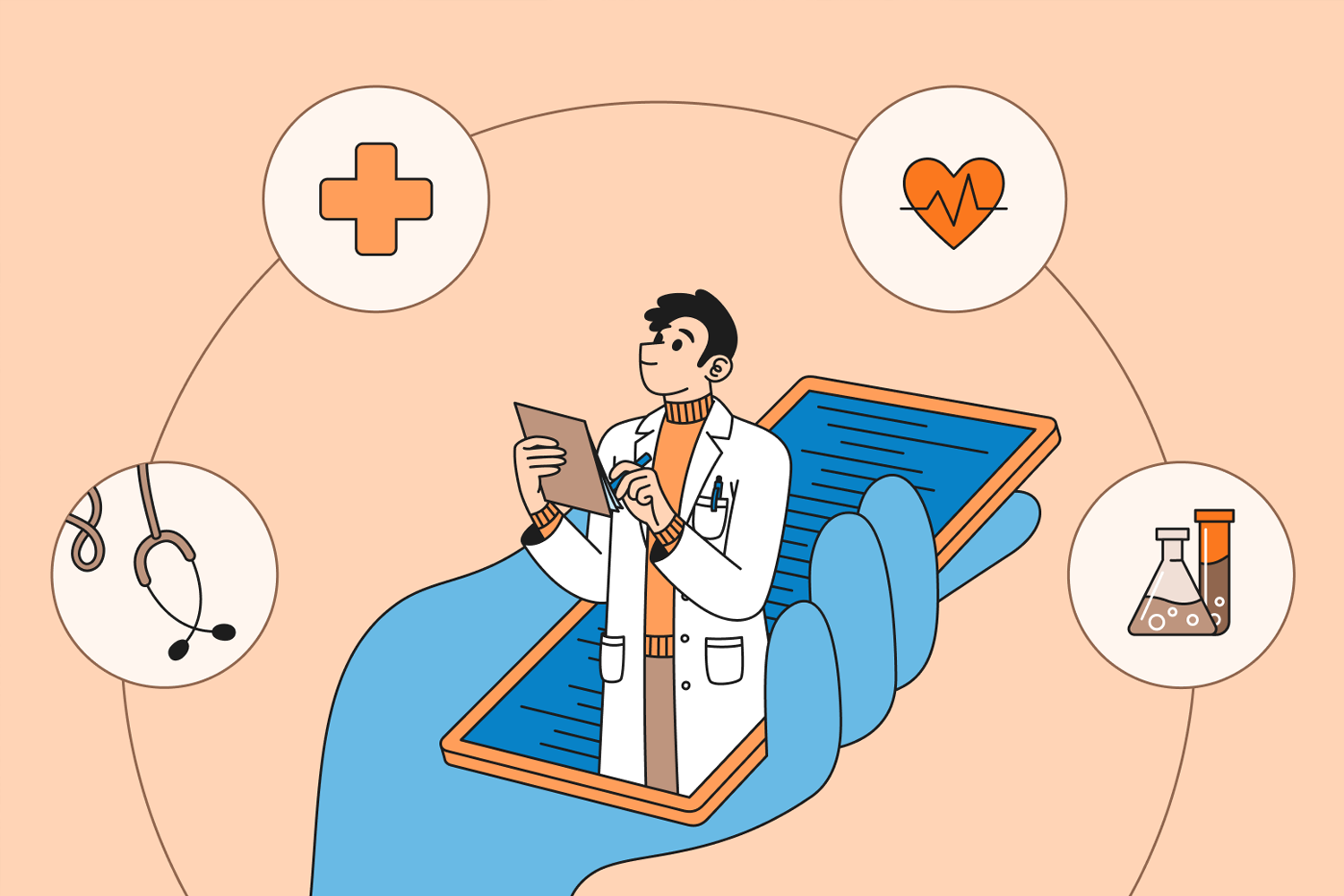
In underserved areas, access to healthcare is often limited by distance, lack of infrastructure, and shortage of medical professionals. Rural communities, where travel to urban hospitals can take hours, face significant barriers to timely care. Telemedicine, the delivery of healthcare services through digital platforms, offers a solution to these challenges. By connecting patients with providers remotely, telemedicine ensures medical consultations, diagnostics, and education reach those who need it most, fostering health equity.
The Need for Telemedicine in Underserved Areas
Underserved regions, such as rural villages or remote tribal areas, often lack basic healthcare facilities. India, with over 600,000 villages, has only 25,000 Primary Health Centers (PHCs), leaving many communities without specialists or advanced diagnostics. Patients may spend entire days traveling for consultations, incurring costs that strain limited incomes. Telemedicine addresses these gaps by enabling virtual consultations, reducing travel, and providing access to specialists without the need for physical infrastructure.
How Telemedicine Works
Telemedicine uses digital tools like video calls, mobile apps, and secure messaging to deliver care. Patients connect with doctors via smartphones or community telehealth kiosks, often set up at PHCs. Platforms like India’s eSanjeevani facilitate consultations, prescriptions, and follow-ups. For diagnostics, portable devices (e.g., mobile ECGs) transmit data to specialists for analysis. Health education, including disease prevention, is delivered through virtual sessions, ensuring information reaches remote populations.
Deployment Strategies for Underserved Areas
Leveraging Existing Infrastructure
PHCs and community health workers can serve as telemedicine hubs. Equipping these Hawkins with internet-enabled devices allows patients to access consultations from local centers. Training health workers to operate these systems ensures effective use, requiring minimal new infrastructure.
Mobile and Web-Based Platforms
Mobile apps and web platforms enable direct access for patients with smartphones. In areas with limited connectivity, offline consultation scheduling and data syncing during internet access ensure continuity of care.
Community Kiosks
Setting up telehealth kiosks in villages, equipped with basic diagnostic tools and internet, allows shared access for communities. These kiosks, staffed by local health workers, connect patients to urban specialists.
Partnerships with Local Stakeholders
Collaborating with local NGOs and health workers ensures community trust. Training programs for rural staff on telemedicine tools enhance adoption and effectiveness.
Scalable Technology
Low-cost solutions, such as solar-powered kiosks or mobile units, address power and connectivity challenges. Open-source platforms reduce software costs, making deployment sustainable.
Benefits of Telemedicine
- Accessibility: Patients consult specialists without traveling, saving time and money.
- Timely Care: Early interventions reduce complications, improving outcomes.
- Education: Virtual sessions deliver health literacy, empowering communities to prevent diseases.
- Cost-Effective: Reduced travel and infrastructure needs lower healthcare costs.
- Scalability: Models can expand to cover thousands of villages, integrating with national health programs.
Challenges and Solutions
- Connectivity: Limited internet in rural areas can be addressed with satellite-based solutions or periodic data syncing.
- Digital Literacy: Training community health workers and patients ensures user-friendliness.
- Data Privacy: Secure platforms compliant with regulations (e.g., HIPAA, ICMR) protect patient information.
- Funding: Grants, government programs, and NGO partnerships can support initial setup costs.
Impact on Underserved Communities
Telemedicine enables early diagnosis of chronic diseases, such as diabetes or cancer, reducing mortality. For example, virtual counseling for genetic testing can guide high-risk individuals toward preventive measures. In India, where 70% of the population is rural, telemedicine can reach millions, reducing healthcare disparities and improving quality of life.
Conclusion
Telemedicine transforms healthcare in underserved areas by delivering consultations, diagnostics, and education remotely. Through strategic deployment—leveraging PHCs, mobile platforms, and community partnerships—it ensures sustainable, equitable access. This approach empowers individuals with knowledge and care, fostering healthier communities. Stakeholders, including healthcare providers and philanthropists, are invited to support this movement to bridge healthcare gaps. Contact [Your Email] to explore collaboration opportunities.